
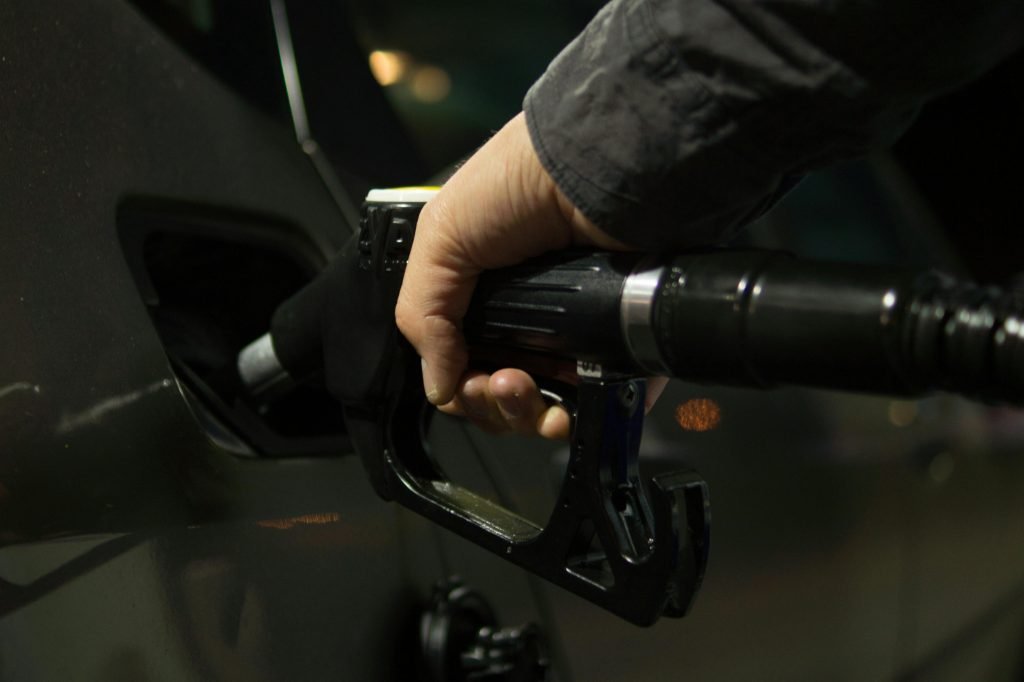
Our top 5 fuel-saving tips – driving at appropriate speeds, maintaining tyre pressure, lightening your load, avoiding peak hours, and minimising AC use – can help you save money at the pump and improve your vehicle’s efficiency.

Feeling the pinch at the petrol station? You’re not alone.
Fuel costs have been hammering British drivers, and there’s no end in sight. The AA revealed that diesel is still averaging a hefty 153.9 pence per litre. Even though it’s down from the July 2022 peak at 199.2 pence, the current price of fuel represents a significant chunk of change for motorists.
Here at Bad Credit Motor Finance, we specialise in helping you find the best finance deals to get you on the road. But even the sweetest finance deal gets squeezed by high fuel costs.
That’s why we’ve put together these top 5 fuel-saving tips to help you stretch every litre further, whether you drive a stick shift or an automatic. Read on to discover our simple strategies that can help you maximise every drop of fuel!
Drive At An Appropriate Speed
Speeding over the limit is a double whammy – it’s illegal and eats into your fuel.
Research by the Vehicle Certification Agency found that driving at excessive speed wastes fuel, alongside breaking the law and increasing the risk of collision with innocent parties. Here’s the kicker: dropping from 75mph to 60mph saves you a whopping 18% on fuel!
If you’re looking to more efficiently monitor your speed, consider these tips:
- Monitor Your Speed: Keep an eye on your car’s speedometer and stick to the limits. Many modern cars have speed limiters, leaving you no excuses for speeding.
- Avoid Hard Acceleration and Braking: Avoid slamming on the gas or brakes. Gradual acceleration and braking are fuel-efficient friends.
- Plan Your Route: Plan your journey to avoid congested areas and peak traffic times. This can help you maintain a steady speed and reduce stop-start driving.
- Keep a Safe Distance: Maintain a safe distance from the vehicle in front to give yourself plenty of time to react and avoid sudden braking.

Maintain Optimal Tyre Pressure
Keeping the right air pressure in your tires is a simple and safe way to reduce fuel consumption. Under-inflated tires reduce rolling resistance, which makes your engine work harder – ultimately, burning more fuel.
A study by the National Highway Traffic Safety Administration (NHTSA) in the USA found that every 1 percent decrease in tyre pressure correlated to a 0.3 percent reduction in fuel economy.
Here’s how you can stay on top on your tyres:
- Check It Monthly: Get in the habit of checking your tire pressure at least once a month, especially before long trips. Use a good quality gauge for an accurate reading.
- Mind the Manual: Every car has its sweet spot for tire pressure. Find the recommended PSI (pounds per square inch) in your owner’s manual or on a sticker in the driver’s door jamb.
- Cold Only: Always check pressure when your tires are cold, meaning they haven’t been driven for at least a few hours. Driving heats them up, giving a false reading.
- Watch for Warning Signs: Uneven tire wear or a wobbly ride could be signs of low pressure. Don’t ignore them!
Ready to drive smarter and save more? Apply for a free, no-obligation quote with Bad Credit Motor Finance today and find a car finance solution tailored to your needs!
Lighten Your Load
It’s simple, your engine has to work harder to move excess weight in your car, increasing your fuel consumption.
Every kilo counts when it comes to fuel efficiency. A useful industry rule of thumb, according to expert Gregory Keoleian at the University of Michigan, “a 10% weight reduction generates a 6% improvement in fuel economy, or for electric vehicles, a 14% driving range increase.”
If you are wondering how you can lighten your load, consider:
- Remove Unnecessary Items: Make a habit of checking your boot and backseat for things you don’t need daily. Gym bags, heavy tools, that random box of CDs – if they aren’t being used, ditch them!
- Roof Rack: Roof racks and carriers are handy, but take them off when not in use. They not only add weight, but also drag, making your car work even harder.
- Travel Smart: Pack strategically for road trips and avoid loading anything into your car that isn’t essential.
Plan Your Journeys (Avoid Peak Hours)
Do you know who hates rush hour traffic more than you? Your car!
When you’re stuck in traffic, your engine idles more, and frequent stopping and starting use up more fuel compared to smooth, consistent driving. A study by TomTom into Paris rush hour driving found it can cost 40% more in fuel than driving during optimal (low-traffic) times.
Avoid getting caught up with the masses with these tips:
- Be an Early Bird (or Night Owl): Whenever possible, schedule trips for off-peak hours. Early mornings or evenings usually have less traffic than rush hour mayhem.
- If You Absolutely Have To Travel At Peak Times: Navigation apps like Google Maps and Waze can be your traffic-busting best friends. Use them to check live conditions and find the smoothest route.
- Traffic on Tap: Set traffic alerts on your navigation app. Get notified about accidents, road closures, and delays so you can avoid them altogether.
- Know Your Backups: Plan a few different routes to your destination. Hit a jam on your usual way? No problem, just switch to a smoother path.
Looking to upgrade your motor to try out our new fuel saving strategies? Reach out to one of our friendly specialists at Bad Credit Motor who can help you find a competitive car finance solution!

Minimise Air Conditioning Use
When the air conditioning is running, the engine has to work harder to power the AC compressor, leading to higher fuel usage.
A 2022 study found that at high temperatures, fuel consumption can increase by 25% with the AC on. Moreover, during idle conditions, fuel consumption increased by a staggering 60% when using the AC compared to not using it.
Here’s how to stay cool and keep your wallet happy:
- Use Ventilation: Use your car’s ventilation system to circulate air and cool down the interior. Open windows on slower drives for a fresh-air fix without killing your fuel economy.
- Park Smart: Find shade whenever possible, or use a shaded area to keep your car cooler before you even get in. Less heat inside means less AC needed.
- Dress for the Weather: Light, loose clothes help you stay cool and use less AC. A simple wardrobe adjustment can go a long way.
- AC on Low: When you do use AC, set it to the lowest comfortable setting. Blasting it chills you fast, but drains your fuel faster too.
Conclusion
In summary, implementing fuel-saving strategies can make a significant difference in your driving costs and overall vehicle efficiency. Here’s quick recap:
- Drive At An Appropriate Speed: Maintain a smooth speed within the speed limit to improve fuel efficiency and reduce consumption.
- Maintain Optimal Tyre Pressure: Regularly check and maintain the correct tyre pressure to reduce rolling resistance and save fuel.
- Lighten Your Load: Remove unnecessary items from your car to decrease weight and improve fuel economy.
- Plan Your Journeys (Avoid Peak Hours): Plan your trips to avoid rush hour traffic, reducing stop-start driving and fuel consumption.
- Minimise Air Conditioning Use: Limit the use of AC and use alternatives to keep your car cool, thereby saving fuel.
By following these tips, you’ll be a more fuel-efficient driver, saving money on every journey. Plus, you’ll be doing your part for the environment.
Ready to take control of your finances and hit the road with confidence? At Bad Credit Motor Finance, we specialise in helping people with less-than-perfect credit find the perfect car finance deal. Explore a range of car finance options in just 60 seconds today!