
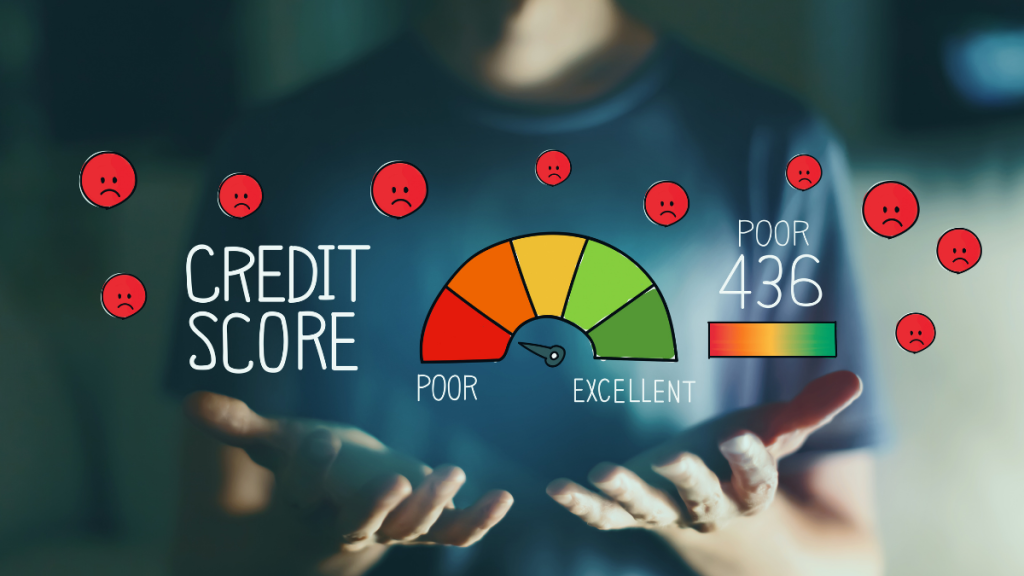
Boost your credit score by registering on the electoral roll, making timely payments, and keeping your credit utilisation below 30%.

Whether you’re looking to buy your first car or upgrade to a newer model, credit score is a major factor considered by lenders.
A higher score can open doors to better interest rates, higher loan amounts, and a smoother approval process. On the flip side, a low credit score may limit your options or result in higher costs.
With nearly a third (30%) of people in the UK frequently worrying about their credit score – according to research by ClearScore – we have compiled three proven ways to improve your credit score. These strategies are designed to help you take control of your credit and boost your credit score for a dream car loan.
Why Improving Your Credit Score Matters
When it comes to car finance, a strong credit score can significantly enhance your borrowing power. Lenders are more likely to offer you better loan terms, including lower interest rates and higher credit limits, which can save you hundreds or even thousands of pounds.
But why? It is down to high credit scores evidencing a sign of financial responsibility to lenders. When a borrower has a high credit score, it signals to lenders that they have a history of making timely payments on their loans and credit cards. As they are less likely to default on their obligations, lenders are more inclined to offer these individuals loans with favourable terms, such as lower interest rates and higher credit limits.
In short, by improving your credit score, you’re not only setting yourself up for better car finance options today, but also securing long-term financial health and flexibility for the future.

Method 1: Register on the Electoral Roll
The simplest way to improve your credit score is by registering on the electoral roll.
Completing a speedy online registration helps lenders verify your identity and confirm your current address. While that may feel like an invasion of privacy, it all ultimately comes down to building trust. Lenders want to ensure that they can easily contact you, and being on the electoral roll is a straightforward way to validate your stability and reliability.
How to Register on the Electoral Roll
Registering is a quick and easy process that can be done online. Here’s how:
- Eligibility: To register, you must be a UK resident and either a British, Irish, or Commonwealth citizen, or a citizen of an EU country living in the UK. You also need to be 16 or older.
- Information Needed: When registering, you’ll need your National Insurance number, full name, current address, and date of birth. If you’ve recently moved, be sure to register with your new address, as this will ensure your records are up to date.
- Where to Register: You can easily register online via the official government website (gov.uk/register-to-vote). The whole process takes just a few minutes.

Method 2: Make Payments on Time
Making timely payments on your credit accounts, utility bills, and loans demonstrates financial responsibility and reliability to lenders. On the other hand, missed or late payments can seriously harm your credit score.
Even a single late payment can cause a noticeable drop in your credit score. Worse yet – the longer a payment goes unpaid, the more damage it can do.
Late or unpaid debts remain as a negative mark on your credit file for up to six years, affecting your ability to access credit at favourable terms in the future.
Practical Tips for Managing Payments
- Set Up Direct Debits: It has never been easier to avoid missing payments through direct debits. By setting up DDs for your regular bills and loan repayments, the money will be automatically taken on the due date and stop you from forgetting.
- Use Payment Reminders: If direct debits aren’t an option, setting up reminders on your phone or calendar can help. Many banking apps also allow you to set reminders for upcoming due dates, ensuring you stay on track.
- Prioritise Payments: If you’re juggling multiple payments then make sure to prioritise essential ones. Payments like your mortgage, credit cards, and utility bills should be your first priority as they have the biggest impact on your credit score if missed.

Method 3: Reduce Credit Utilisation
Credit utilisation refers to the percentage of your available credit that you’re currently using. Keeping this percentage low is essential for maintaining a healthy credit score.
For example, if you have a credit card with a £1,000 limit and you’re using £500, your credit utilisation rate is 50%.
Lenders view high credit utilisation as a sign that you might be relying too heavily on credit, which can make you seem like a higher risk borrower. A lower utilisation rate, typically under 30%, shows you’re managing your credit responsibly and makes you a more attractive loan candidate.
Tips to Manage and Reduce Credit Utilisation
- Pay More Than the Minimum Payment: Making only the minimum payment each month keeps your debt high and doesn’t help reduce your credit utilisation. Aim to pay more than the minimum to bring down your balance faster and reduce the percentage of credit you’re using.
- Avoid Maxing Out Your Credit Cards: Try not to let your balance reach the credit limit. If possible, aim to keep your usage under 30% of your credit limit. For example, if your limit is £1,000, try to keep your balance under £300.
- Make Mid-Month Payments: If you’re close to maxing out your limit before your next payment is due, consider making an extra payment mid-month. This reduces your balance and helps keep your utilisation in check.
If you are ready to explore competitive car finance options that suit your personal needs, apply for a free, no-obligation quote with Bad Credit Motor Finance.
Apply For A Free Quote In 60 Seconds
Credit Score FAQs
How Long Does It Take to Improve a Credit Score?
Typically, you may start to see changes within a few months of consistently applying good habits, like making timely payments and reducing your credit utilisation. However, significant improvements often take six months to a year, especially if you’re recovering from missed payments or high debt levels.
What Should I Do If I Find an Error on My Credit Report?
If you find an error on your credit report, it’s essential to address it immediately as it can negatively affect your score. Here’s what you can do:
- Check your report: Request a copy of your credit report to check the fineprint yourself.
- Report the error: Contact your credit agency to file a dispute, providing details of the error and any supporting documents.
- Follow up with the lender: Reach out to the lender or company that reported the inaccurate information and ask them to correct it.
Credit agencies have up to 28 days to investigate and respond. If the error is confirmed, it will be corrected on your report, which can help improve your score.
Does Checking My Credit Score Affect It?
No, checking your own credit score with a ‘soft inquiry’ does not affect your credit score. You can check your credit score as often as you’d like without any negative impact.
However, multiple credit applications can impact your credit score. When a lender or company checks your credit as part of a loan or credit application – aka a ‘hard inquiry’ – too many in a short span of time can lower your score.
