
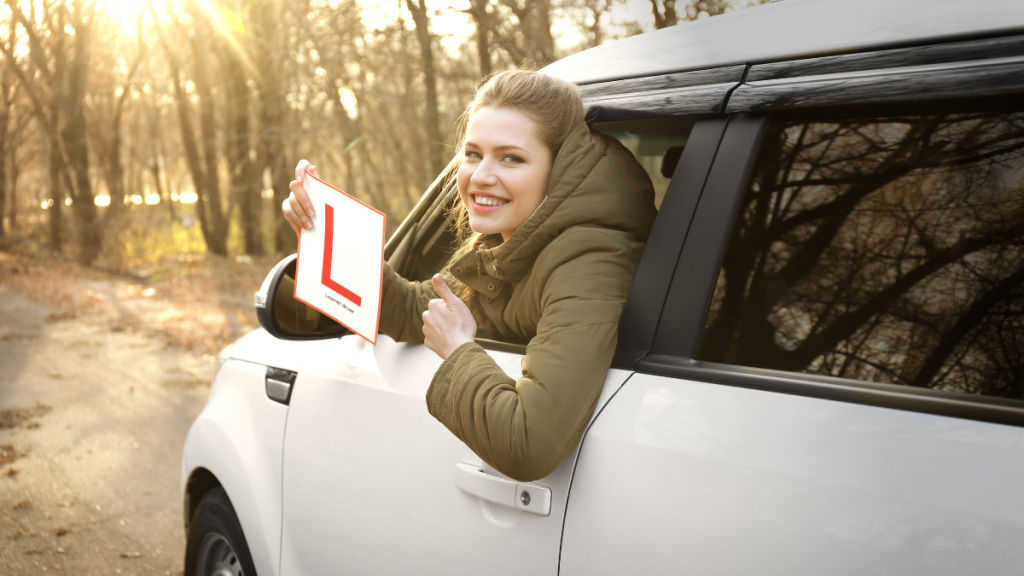
Avoid costly mistakes like neglecting mirrors, skipping proper junction observations, and coasting to stay safe and save money as a learner driver.

In addition to ensuring your car is safe and having the right insurance coverage, the most crucial step for a learner driver is developing good habits from the start. Mastering the clutch and knowing when to brake are essential, but equally important is avoiding bad habits that can lead to future headaches and financial woes.
Nobody wants to face trouble on the road, least of all learner drivers. Yet, statistics from ALA show that more than one in five learner drivers are involved in an accident within their first year on the road.
Fear not, though! Our comprehensive guide is here to help you steer clear of the three most costly rookie mistakes. Read on to uncover practical tips that will safeguard you and your wallet.

Habit 1: Not Checking Mirrors Properly
If you’re not checking your mirrors properly, you might as well be driving blindfolded. Mirrors are essential in identifying road hazards in an efficient manner.
Why Should I Check My Mirrors While Driving?
Your mirrors act as eyes in the back of your head. This makes them an essential tool for a learner driver to spot what’s going on around their car.
Whether you’re pulling away from the curb, changing lanes, or making a turn, there is always activity surrounding your car. Proper mirror checks let you keep an eye on the whole road, ensuring you don’t miss out on anything that could make your drive safer and smoother.
What Are The Risks Of Not Checking My Mirrors?
Here’s where it gets serious. Skipping your mirror checks can lead to serious troubles, including:
- Collisions: Blind spots are a constant nuisance that can surprise you if you’re not utilising your mirrors. Figures from the UK Government found that 17 deaths in 2022 were caused by a blind spot. Missing a car or pedestrian can create life-threatening scenarios or force you to adopt damaging emergency manoeuvres.
- Unexpected Accidents: Not seeing what’s happening behind or beside you can lead to sudden braking or lane changes, putting you at risk of rear-end collisions or side-swipes.
- Higher Insurance Costs: Accidents caused by failing to check mirrors often lead to increased insurance premiums. Unsurprisingly, failure to use your mirrors reflects poorly on your driving ability.
- Expensive Repairs: Any crash wracks up costly repairs, which can put serious strain on you if you’re paying out of pocket.
How Do I Check My Mirrors Effectively?
For a reminder on proper mirror use, here’s the essentials:
- Adjust Your Mirrors: Sit comfortably in the driver’s seat and adjust the rear-view mirror so you can see directly out the back without having to move your head. Next, set the side mirrors to cover the blind spots (just a sliver of your car should be visible in each mirror).
- Follow the MSM Routine: Before making any move, remember to use the Mirror-Signal-Manoeuvre (MSM) routine. Check your internal mirror, then the side mirrors, and don’t forget that crucial blind spot check!
- Make It a Habit: Each time you get in the car, double-check your mirrors. If you adjust your seat or move the car, give them a quick tweak. Ultimately, you want to form an automatic habit.
Accidents due to poor mirror checks can seriously impact your finances. If you’re already dealing with bad credit, staying on top of your driving habits is crucial to avoiding further financial strain.

Habit 2: Poor Observations at Junctions
Junctions are intimidating for a reason. If you don’t approach them with confidence and clarity, you’re heading towards disaster.
Why Should I Make Thorough Observations Before Junctions?
Junctions are where multiple roads meet. This translates to higher traffic flow as well as a number of different angles. Proper observations before entering a junction can help you avoid any awkward run-ins that lead to accidents.
Observation should not only include other traffic, but also the state of the road, the speed of traffic flow, and any road signs dictating junction-specific rules. With multiple factors at play, prior observation ensures that you are able to react to any sudden changes.
What Are The Risks Of Not Observing Junctions?
Neglecting your checks can lead to dangerous pile-ups due to the high traffic density around junctions. Statistics from the Department of Transport found that nearly half of all casualties on the road occurred at junctions.
Here’s some of the risks that you might face:
- Approaching Vehicles: Without a good look, the most common issue you will face is oncoming traffic or vehicles turning into your path.
- Cyclists and Pedestrians: Neglecting both prior observation and using your mirrors, you could be surprised by cyclists or pedestrians popping out of your blind spot.
- Serious Accidents: A lack of observation can cause dangerous collisions, which not only put everyone at risk but also lead to hefty repair bills and insurance claims.
How Do I Observe Junctions Effectively?
Ready to approach junctions with assurance? Here’s how to ace the most common junction types in the UK:
- T-Junctions: When approaching a T-junction, your strategy should be thorough. Look left and right more than once to spot any hidden vehicles or cyclists obscured by parked cars or buildings. Remember, the angle of view can hide potential hazards, so give it a second, more deliberate glance.
- Crossroads: Scan left, right, and straight ahead repeatedly. The goal is to create a mental picture of the entire intersection, giving you the best chance to notice any approaching vehicles or unexpected obstacles.
- Roundabouts: Approaching a roundabout requires a keen awareness of the flow of traffic. Observe vehicles already on the roundabout and signal clearly before you enter.
Need help with car finance? Bad Credit Motor Finance is here to support you with options that fit your situation. Apply today to find a car finance solution that will have you cruising confidently.
Apply For A Free Quote In 60 Seconds
Habit 3: Coasting
Coasting might sound like a simple way to save fuel, but it is actually causing untold damage to your car.
Why Should I Avoid Coasting?
Coasting is what happens when you drive downhill with the clutch pressed in or the gear in neutral, letting gravity do the work.
While some drivers believe the myth that coasting saves fuel, the reality is that it harms modern cars. Coasting actually disconnects your engine from the wheels, meaning you lose precious control over your car. When you’re trundling downhill, it is one of the most crucial times that you want total control!
What Are The Risks Of Coasting?
Here’s why coasting is risky business that learner drivers should avoid:
- Loss of Control: Without engine braking, you have less control over your car’s speed. If you need to suddenly react to a hazard, you’re left scrambling to re-engage the gears and gain control.
- Brake Wear: Coasting means you’ll be relying on your brakes more frequently to slow down or stop. Over time, this extra strain can wear out your brake pads faster – meaning more costly repairs.
- Accidents: Reduced control and overworked brakes can increase your chances of accidents, turning a simple drive into a potential crash course.
- Fuel Economy Myth: Modern cars are equipped with fancy tech that optimises fuel efficiency, so coasting doesn’t actually save fuel. In fact, staying in gear is often more efficient because the engine cuts fuel when you’re not accelerating.
How Can I Prevent Coasting?
Ready to kick coasting for good? Here’s how to keep your driving smooth and safe:
- Stay in Gear: Use your gears to control your speed, especially when going downhill.
- Use Engine Braking: When slowing down, ease off the accelerator and let the engine help you decelerate. This way, you’re not putting all the work on your brakes.
- Be Prepared: Keep an eye on the road and adjust your speed using both your engine and brakes. This is particularly important in tricky driving conditions or on steep inclines.
Final Words
By steering clear of the three costly habits, you’ll not only make your driving safer but also keep your wallet a little fuller. Remember, staying on top of your mirror checks keeps you aware of your surroundings, thorough observations at junctions help you avoid unexpected surprises, and staying in gear rather than coasting gives you better control of your vehicle.
If you’re worried about how your driving might impact your finances, especially with bad credit hanging over you, don’t sweat it.
At Bad Credit Motor Finance, we’ve got your back with car finance options that fit your needs and budget. Explore your options with us today by reaching out for a no-obligation quote!
Apply For A Free Quote In 60 Seconds